Tactical Agility : A Modern Framework for Head Coach Selection
Recent Premier League seasons have highlighted that teams are becoming more tactically flexible. If we study Mikel Arteta journey with Arsenal, in the last 2 seasons they have moved from high focus on positional possession and high pressing while this season the data demonstrates a higher focus on defending in a mid to low block to use fast transitions as their preferred strategy. Similarly we have observed the shift from Pep Guardiola Manchester City team, who during the past 2 season have seen their possession dominance reduce from 68% average to 59.1%, with fewer long sequences of passes, with a greater focus on breaking lines and fast attacks while still balancing this evolution with their renowned positional possession game.
This shift is backed by a striking evolution in the data. We have seen in the Premier League the total number of fast attacks rise from 0.91 in 2020 to 2.11 in the 2025 season. Consequently, the number of goals scored from these fast attacks has more than doubled, moving from 0.14 in 2020 to 0.30 in 2025. This Opta data highlight the nuances in selecting a manager; it is no longer about finding a fixed philosophy, but finding the capacity to evolve over time, and recognising as a squad evolves with new and different profiles how can the head coach adapt to the qualities of the individual players.
My rationale for this change in approach stems from the physical profile and capacity of modern premier league players, many teams recruitment models opting for greater power, strength and speed combined with refined technicians, this shift in profile means teams are more comfortable against the ball and on transition exploiting space with speed and power.
The Myth of the "Plug and Play" Manager
The selection of a head coach is the single most important material appointment in a football club structure, the cost of changing head coaches and support teams is highly significant (*2025-2026 Championship season 50% of head coaches who started this season are no longer in position) due to the economical model within professional football; therefore, due diligence and a clear profile are absolutely critical.
In all modern industry environments, such checks and balances are commonplace, but in football, many decisions appear to be made based on network, previous playing experience and track record, albeit in a completely different environment with a different set of players who have a different set of skills and attributes.
Further to this their is a unfair bias towards head coaches who have a track record with a team playing with a specific identity versus another coach who may want to play with the same identity but based on the players available would result in a poorly executed game model, in turn the data collected for these 2 coaches would only shortlist 1 of these managers to fit within a certain club DNA or game model.
Fundamentally, the critical starting point in building a profile and selection procedure must address the following;
Will this head coach adapt to your club, the culture, the existing club staff, the fans, the ownership model.
Will this head coach develop a game model based on the individual characteristics of the players, or will the coach try to impose a style that they prefer, independent of the quality of the squad.
Will this head coaches leadership style and personality fit within the club.
Failure to align the characteristics of the team to the coach leads to a suit that doesn't fit the individuals. The result is inevitably a high churn of players as the coach tries to "buy" their way into a preferred system, constantly changing the profile and characteristics of the team at immense cost to clubs.
Profiling Capability: The New "In Vogue" Appointment
Employing assistants as head coaches has become increasingly in vogue —with managers such as Mikel Arteta, Craig Bellamy, Keith Andrews, Kieran McKenna, Ryan Mason, and Jack Wilshire. For the first time, the use of historical "head coach data" is not available directly, so the interview process needs to clearly identify the brand of football and principles that guide the potential head coaches work.
Most importantly, have they analysed the capability of the squad? How can they get results using the strengths of the individuals, immaterial to how they want to play?
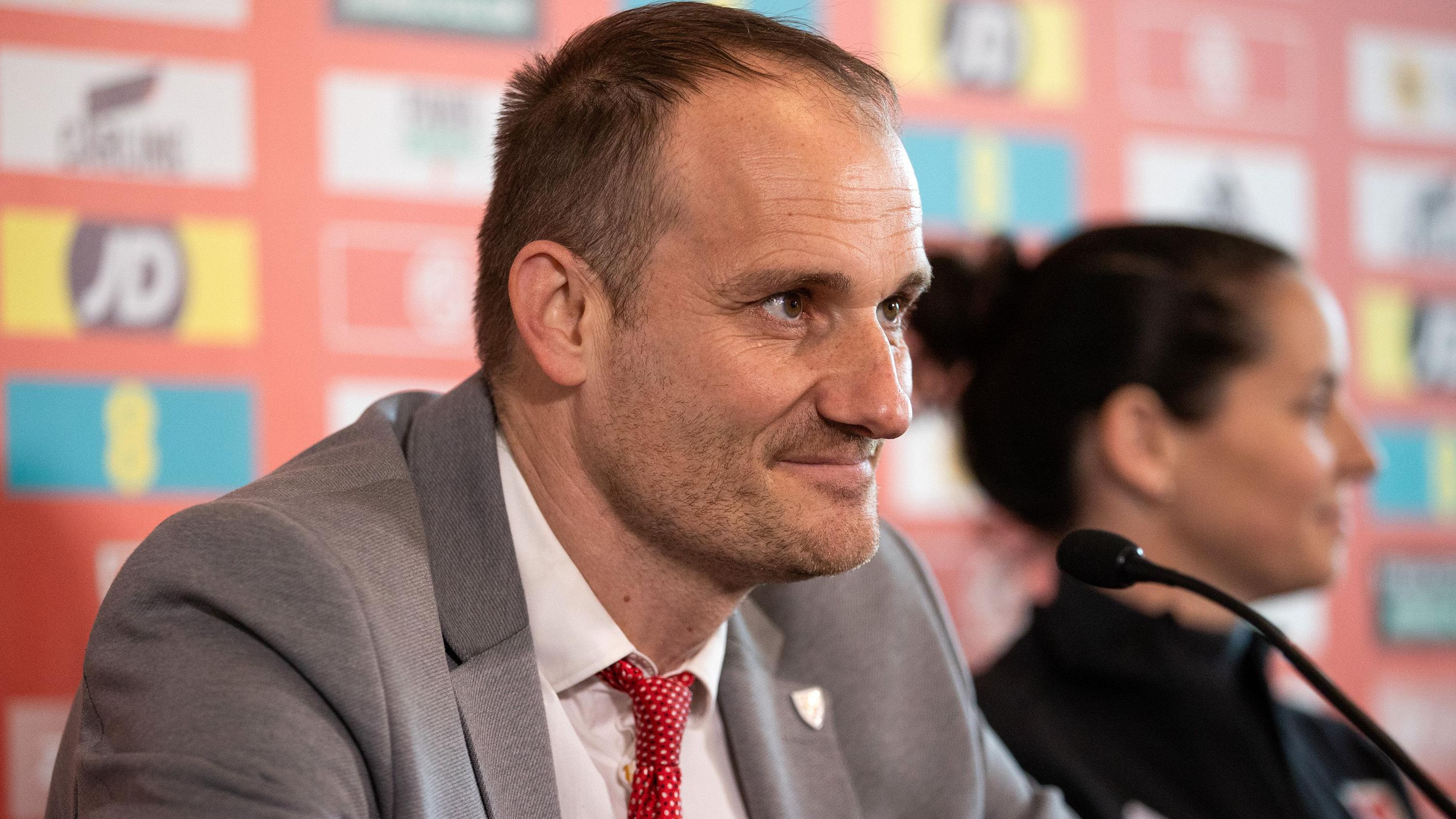
When I interviewed Craig Bellamy for the Wales Head Coach role, this was clearly part of the process. For example Craig presented all the data on our wide players at the interview to demonstrate that the team structure was best suited to playing with a winger system both in and out of possession due to their physical intensity metrics and individual technical characteristics. For Wales, having high-value wingers meant the questions were tailored to understand how the candidates viewed the squad and how they would look to utilise high-value players into the style and structure of the team.
The Ancelotti Philosophy: Adapting to Strength
Perhaps the most successful exponent of this tactical agility is Carlo Ancelotti. His perspective captures the balance required in modern leadership perfectly:
"The system is not the most important part of the job. You have to find a system that adapts well to the players. The player has to feel comfortable in the system. You don't have to put the players in a system or position that they don't like... there is no winning system, the system you put in place, has to be evolved by the players' strengths."
In a modern game that is always evolving, the ability to be agile is a leader’s greatest asset. If we appoint coaches based on a rigid past rather than a flexible future, we are simply waiting for the game to move past us.


